At the heart of Montessori education is a profound respect for human potential.
The origin of Montessori philosophy began over a century ago when Dr. Maria Montessori, as part of her medical training, worked with children who had developmental delays. Rather than treating these children as lacking capacity, Dr. Montessori observed that they simply needed an environment matched to their natural developmental drives. She designed specialized materials, prepared a tailored physical environment, and observed remarkable transformation.
This discovery forever changed our understanding of learning, human growth, and the true purpose of education.
A Scientific Lens on Human Nature
Dr. Montessori approached children not through dogma, but as a physician and scientist. Through decades of careful observation, she recognized that humans possess innate, universal characteristics and follow predictable patterns of development. At our core, we are a species designed to learn, adapt, and grow.
By observing children through this developmental lens, Dr. Montessori identified two foundational concepts:
- The Planes of Development: Distinct stages of growth from infancy to maturity, each with unique psychological and physical needs.
- The Human Tendencies: Universal, evolutionary drives that guide humans to meet their needs, master their environment, and fulfill their potential.
The Human Tendencies: Nature’s Blueprint for Learning
Human tendencies are innate, lifelong, and universal. They are the engine behind all human progress, adaptation, and self-construction.
In a prepared Montessori environment, we actively support the human drives to:
- Orient: Make sense of and feel safe within a new environment.
- Explore: Investigate the unknown through hands-on sensory experience.
- Order: Categorize, sequence, and structure information.
- Abstract & Imagine: Move from concrete touch to symbolic thought and creative possibilities.
- Calculate & Reason: Measure, analyze, and problem-solve logically.
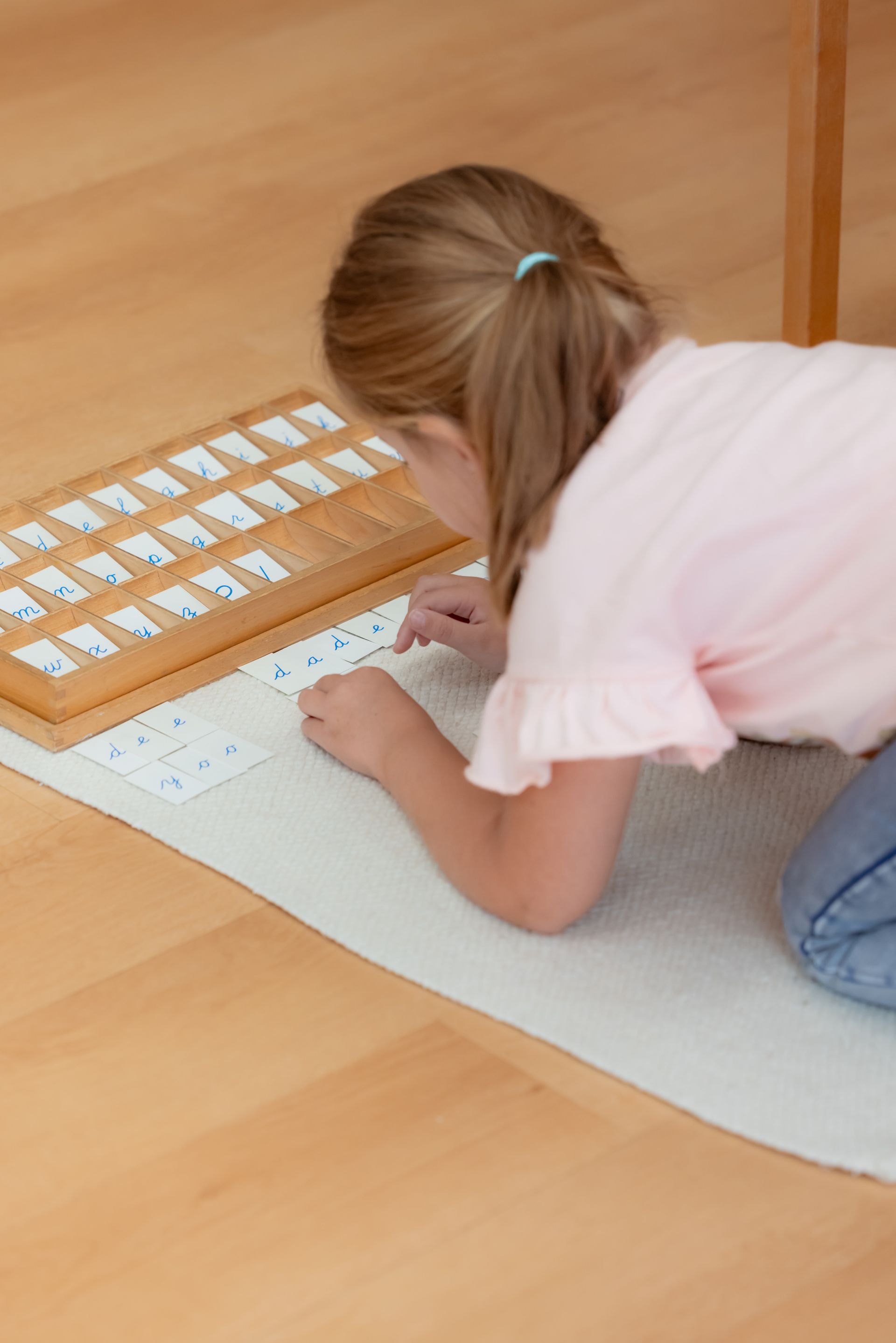
- Work & Repeat: Engage in purposeful activity and repeat tasks to achieve precision and mastery.
- Communicate & Associate: Express ideas and build cooperative community relationships.
💡 A Note on Behavior: When these natural tendencies are supported, children display deep concentration, joy, and peaceful cooperation. When blocked, children still attempt to fulfill these drives—often manifesting as frustration, restlessness, or challenging behavior.
Education That Aligns with Human Development
Instead of imposing rigid, external expectations onto a child, Montessori education respects the natural unfolding of each individual’s capacities.
In our classrooms at Chesterbrook Montessori School:
- The Environment is Prepared: Materials are intentionally arranged to meet the exact developmental sensitive periods of the age group.
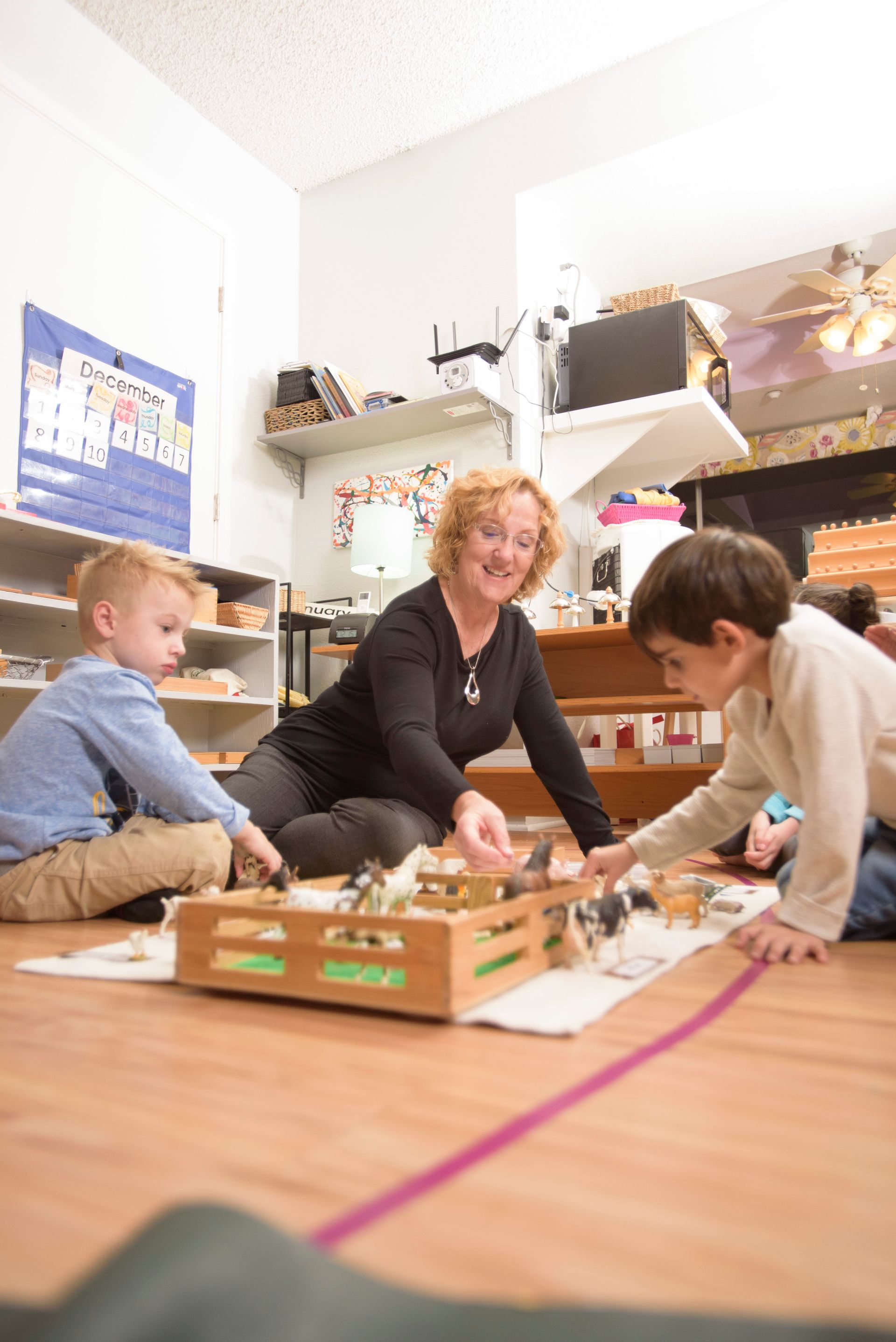
- The Adult Serves as a Guide: Our Montessori-trained guides act as "aides to life." Rather than standing at the front delivering lectures, guides observe, prepare the space, and connect children to meaningful work.
- Learning is Self-Constructed: Children construct their own intellect, motor control, and character through active engagement with their surroundings.
A Cosmic Perspective: Cultivating Stewardship and Wonder
Dr. Montessori’s vision went far beyond academic achievement. She viewed human beings as part of an interconnected web of life where every living thing plays a role in maintaining balance and harmony.
Through this "cosmic vision," education becomes a means to cultivate humility, wonder, and stewardship. We help children understand their place in the universe, inspiring them to become compassionate, responsible citizens of a global community.
The Role of Observation: Looking Beneath the Surface
To serve as true partners in your child’s development, our staff practices systematic observation. When a child encounters academic or social friction, we do not jump to punishment or force. Instead, we step back and ask: Which human tendency or developmental need is seeking expression right now, and how can we adapt the environment to support it?
This observational mindset deepens our respect for the child and guides our partnership with families.
Experience Education Designed for Human Potential
Montessori is more than an educational technique—it is a visionary framework rooted in science, observation, and deep reverence for childhood. It invites us to view children not as empty vessels to be filled, but as capable, self-constructing human beings ready to shape the world.
We invite you to step inside our classrooms and witness this natural process in action.