Many traditional educational models begin with adults deciding top-down what they believe is best for children. The Montessori approach, however, began with a radically different approach: pure, scientific curiosity and deep observation of children’s natural growth.
A Scientist First
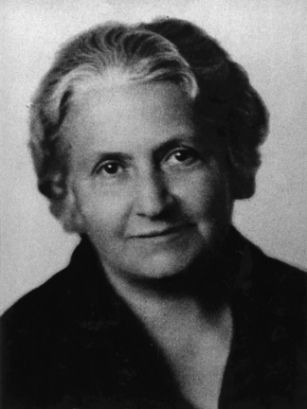
It is worth remembering that Dr. Maria Montessori was first and foremost a physician and scientist. In fact, she was one of the first female physicians in Italy in the late 19th century. Specializing in pediatrics and psychiatry, her work at the University of Rome’s medical school brought her into daily contact with working-class and impoverished children through free clinical work.
Through these early observations, Dr. Montessori theorized that children are born with an intrinsic drive to explore, discover, and master their surroundings.
In 1900, she was appointed director of an institute for children with developmental delays who were then considered "uneducable." Observing the stark, unstimulating environments of the institution, Dr. Montessori recognized that sensory deprivation was stifling their growth. She began designing rich sensory materials and directing teachers in their precise presentation.
When these children eventually passed Italy’s standard public school examinations, Dr. Montessori famously remarked that if children facing such significant challenges could achieve such results, traditional educational systems were failing to realize the true potential of typically developing children.
The San Lorenzo Discovery
In 1907, Dr. Montessori was invited to coordinate a daycare center in the impoverished San Lorenzo district of Rome for working-class children too young for public school.
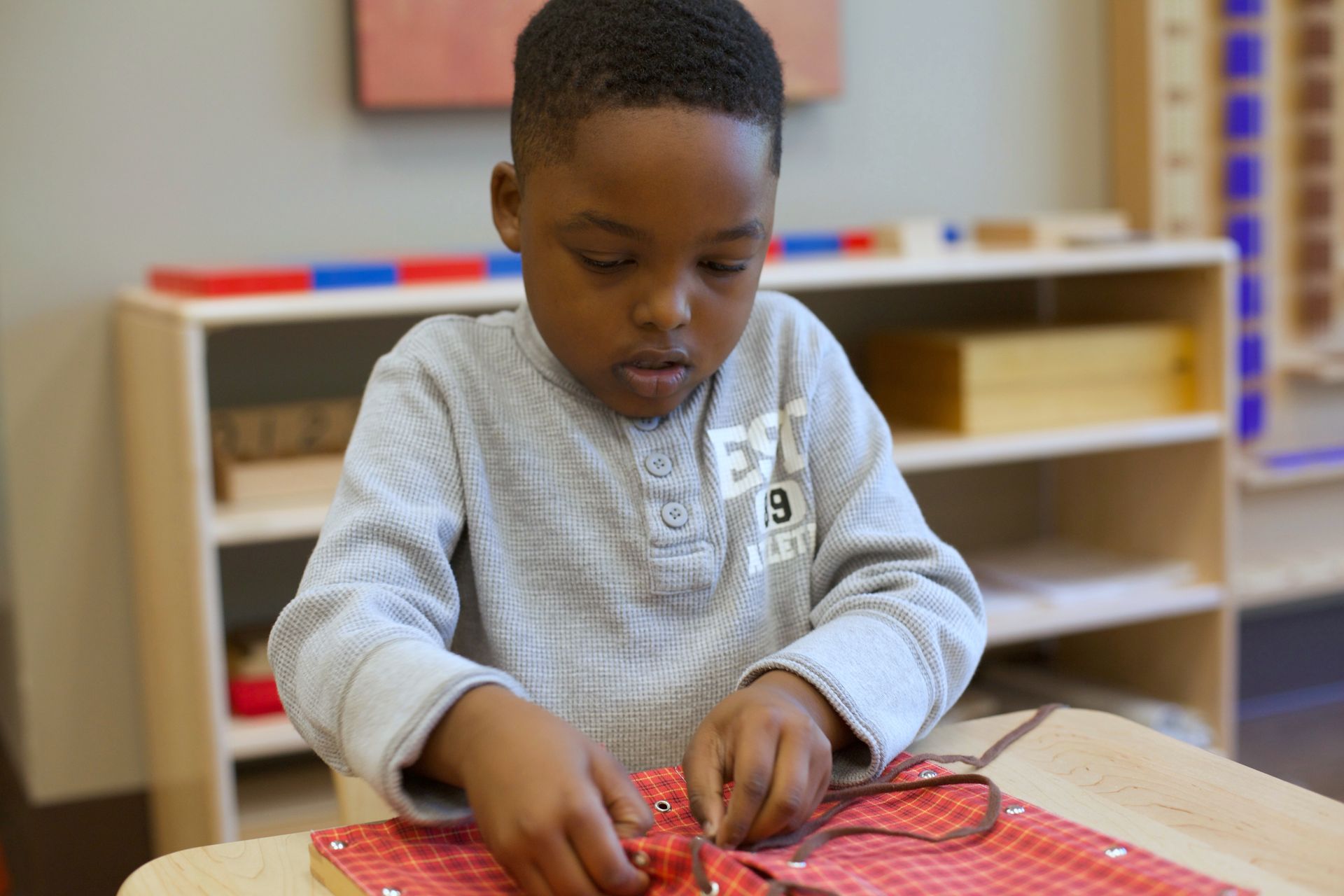
She began by teaching the children self-care, hygiene, and daily care of their space. Gradually, she introduced self-correcting manipulative puzzles and materials. The transformation was dramatic:
- Spontaneous Concentration: Children previously considered unruly became deeply focused, peaceful, and self-directed.
- Pride in Ownership: They took immense pride in beautifying themselves and their shared environment.
- Hunger for Knowledge: They spontaneously asked to learn how to read, write, and calculate.
Dr. Montessori was fascinated. Around age 40, she made the courageous decision to leave her prestigious medical practice and university professorship to dedicate the remainder of her life to refining this scientific approach to human development.
A Living Legacy for Over 100 Years
Dr. Montessori insisted throughout her life that the focus remain on the child rather than on herself. Through rigorous observation and trial, she proved that when children across cultures are given a prepared environment tailored to their developmental needs, they flourish.
Because Montessori education is grounded in the timeless science of human development, it has stood the test of time. Today, there are approximately 20,000 Montessori schools worldwide, with over 3,000 in the United States alone.
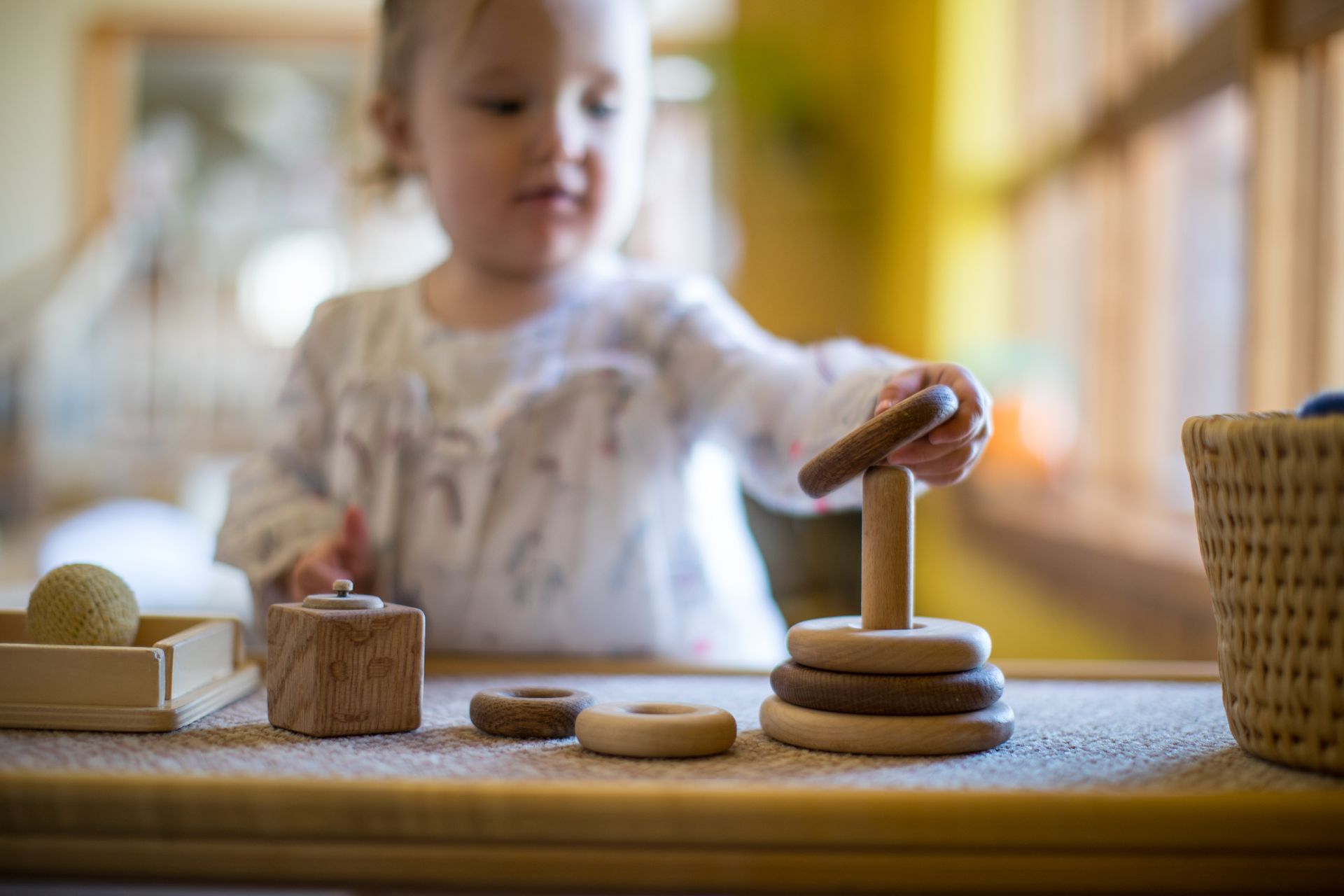
At Chesterbrook Montessori School, we are honored to carry forward this living legacy each day in our Toddler and Primary environments—fostering independence, joy, and a lifelong love of learning.
We invite you to see Dr. Montessori's legacy in action in our classrooms!
Schedule a tour with Chesterbrook Montessori School today to observe our prepared environments firsthand.