Have you ever noticed how sensitive young children can be to changes in routine? Even a slight schedule adjustment can throw off an entire morning. Conversely, young children possess an incredible ability to internalize daily patterns, intuitively knowing when it is time to eat, rest, or go outside.
During these early years, children are compelled by an irresistible internal force. Think of a toddler climbing a flight of stairs repeatedly—undeterred by difficulty, energized by the effort, and entirely absorbed in the task.
In Montessori education, we pay close attention to these windows of time when children exhibit intense focus on mastering specific skills or refining their capabilities. Dr. Maria Montessori named these natural developmental phases “Sensitive Periods.”
What is a Sensitive Period?
Dr. Montessori illustrated sensitive periods through the biological example of young caterpillars. Upon hatching, caterpillars are irresistibly drawn toward light—a drive that directs them to the soft, young leaves at the ends of branches. They do not calculate that light equals food; they simply respond to an internal biological impulse. Once satisfied, this irresistible attraction to light fades, and the caterpillar transitions into its next stage of life.
Like the caterpillar, a young child in a sensitive period becomes deeply absorbed in acquiring a specific trait or skill. Neurologically, specific groups of neurons become highly active during these windows, establishing key neural networks. These transitory phases are marked by passionate, effortless focus.
At Chesterbrook Montessori School, our guides prepare environments that align directly with four primary sensitive periods:
1. The Sensitive Period for Order (Birth to Age 6)
Most intense from birth to age three, this period drives a child’s deep need for environmental and procedural predictability. While adults value organization for efficiency, a young child relies on order to construct their basic relationship with the world.
When a child’s daily routines and environment are consistent, they build internal security and trust. An orderly environment allows the child to focus their energy on self-development rather than constantly adapting to unexpected change.
2. The Sensitive Period for Language (Birth to Age 6)
From birth through age three, children effortlessly absorb spoken language. From ages three to six, they refine spoken language while developing writing and reading skills. During this window, children do not merely hear words—they absorb sentence rhythms, grammatical structures, and rich vocabulary without formal instruction.
In our prepared environments, we honor this sensitive period by offering precise vocabulary, engaging in meaningful, respectful dialogue, and naming real objects clearly from our toddler through primary programs.
3. The Sensitive Period for Refinement of the Senses (Birth to Age 4.5)
Children learn about their environment primarily through sensory exploration. This phase does not change physical eyesight or hearing; rather, it refines the child’s ability to discriminate, classify, and organize sensory information. Through hands-on Montessori materials, children learn to notice subtle variations in dimension, color, pitch, texture, and weight—building lifelong powers of observation and cognitive classification.
4. The Sensitive Period for Movement (Birth to Age 4.5)
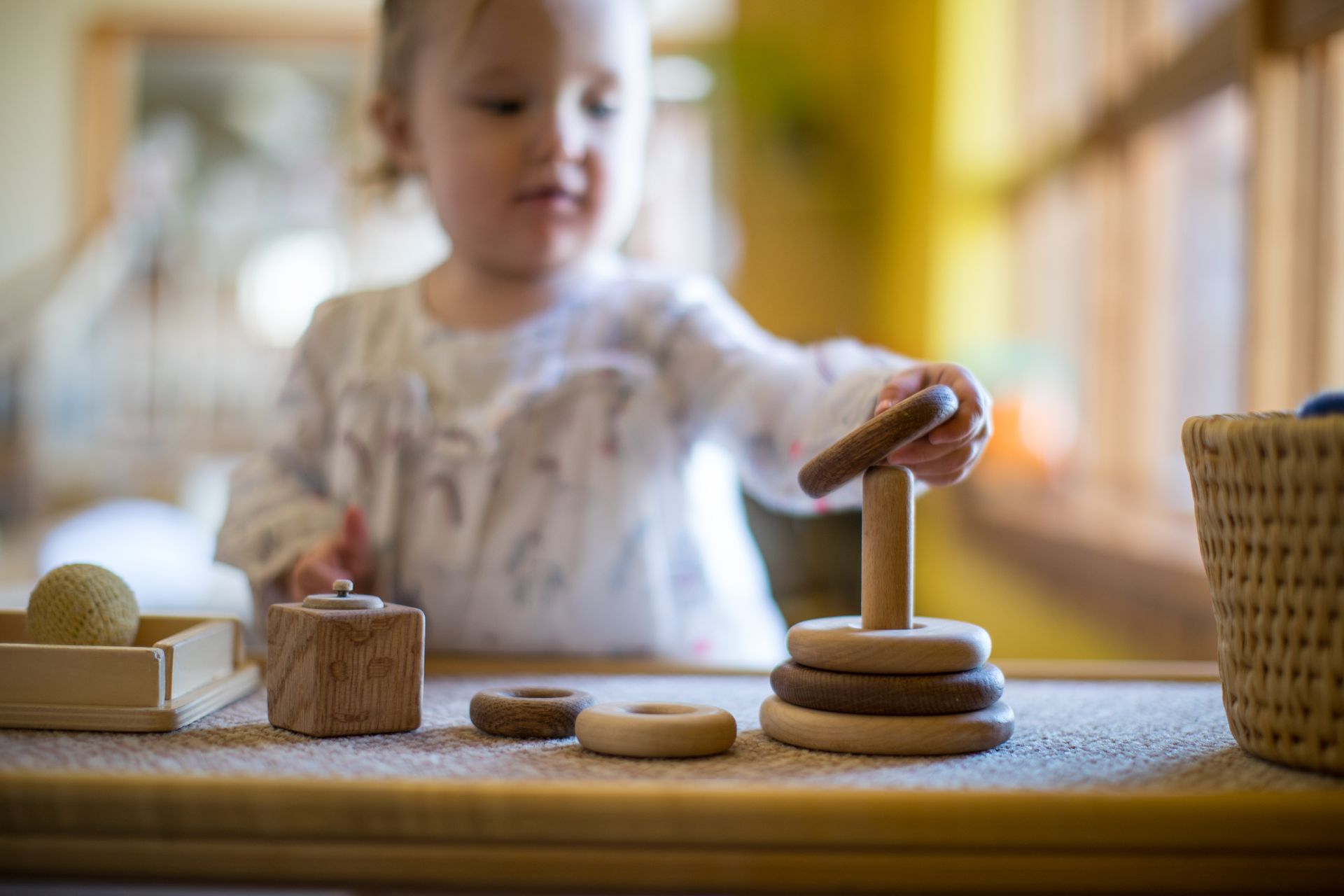
Movement is the primary mechanism through which children explore their surroundings, express personality, and build physical independence. Between ages two and a half and four, children focus heavily on refining coordination.
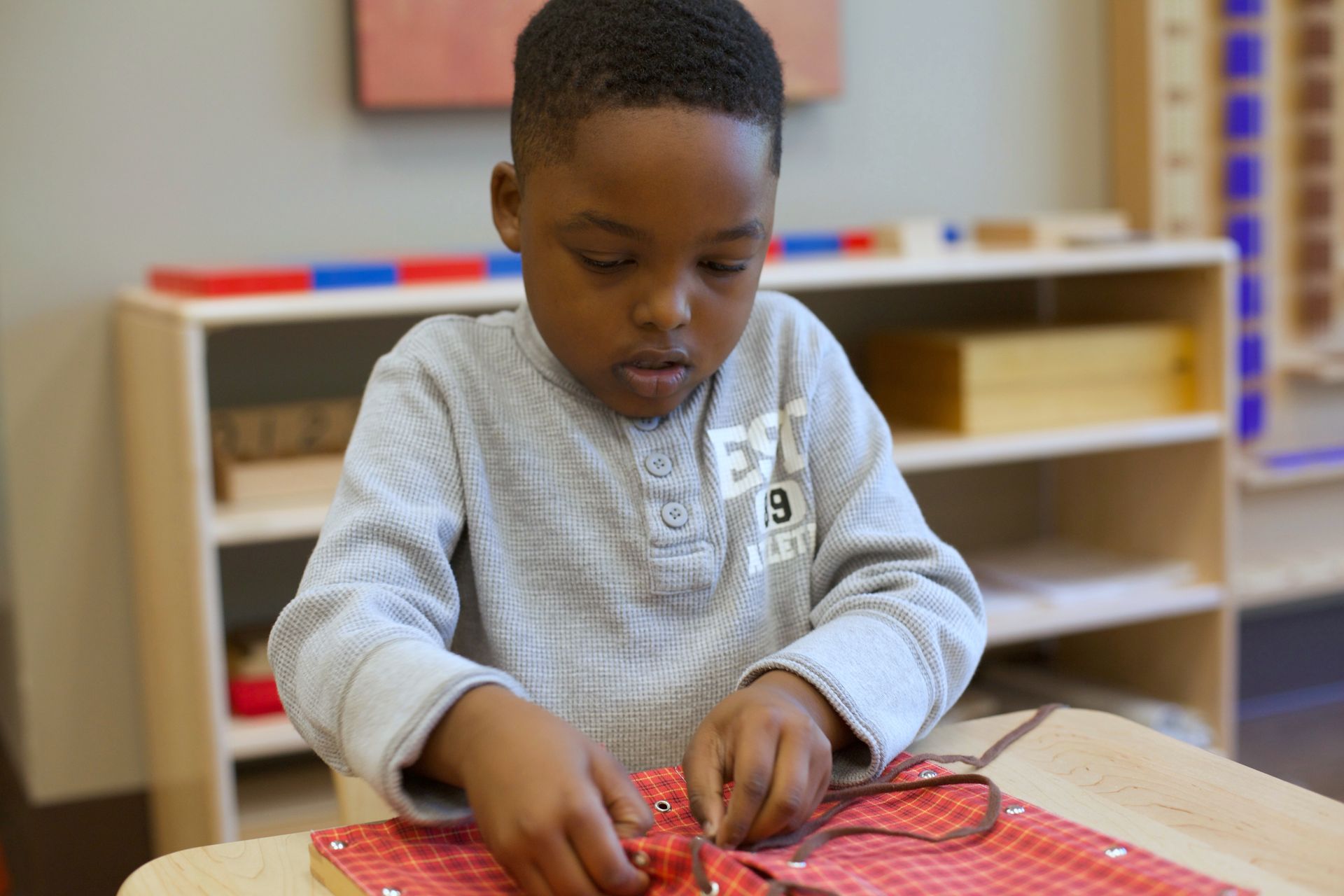
Children in this stage thrive when their movement is directed toward a clear, purposeful goal. Rather than playing with plastic toys, children find deep satisfaction in real, functional tasks—such as chopping soft vegetables, pouring water, sweeping, or carrying heavy objects. Purposeful movement fosters self-mastery, focus, and a sense of contribution.
Treading Mindfully: The Power and Potential
The term "sensitive period" is a vital reminder to adults: we must tread mindfully, honoring these powerful developmental windows.
When a child is in a sensitive period, learning happens effortlessly and brings deep internal satisfaction. Once a sensitive period fades, the same skills can still be acquired, but only through conscious effort and exertion—much like an adult learning a second language compared to a toddler absorbing it naturally.
When a child’s natural developmental needs are met during a sensitive period, they display remarkable peace, focus, and joy.
We invite you to experience this joyful concentration firsthand.
Schedule a tour with Chesterbrook Montessori School today to see our prepared environments in action!