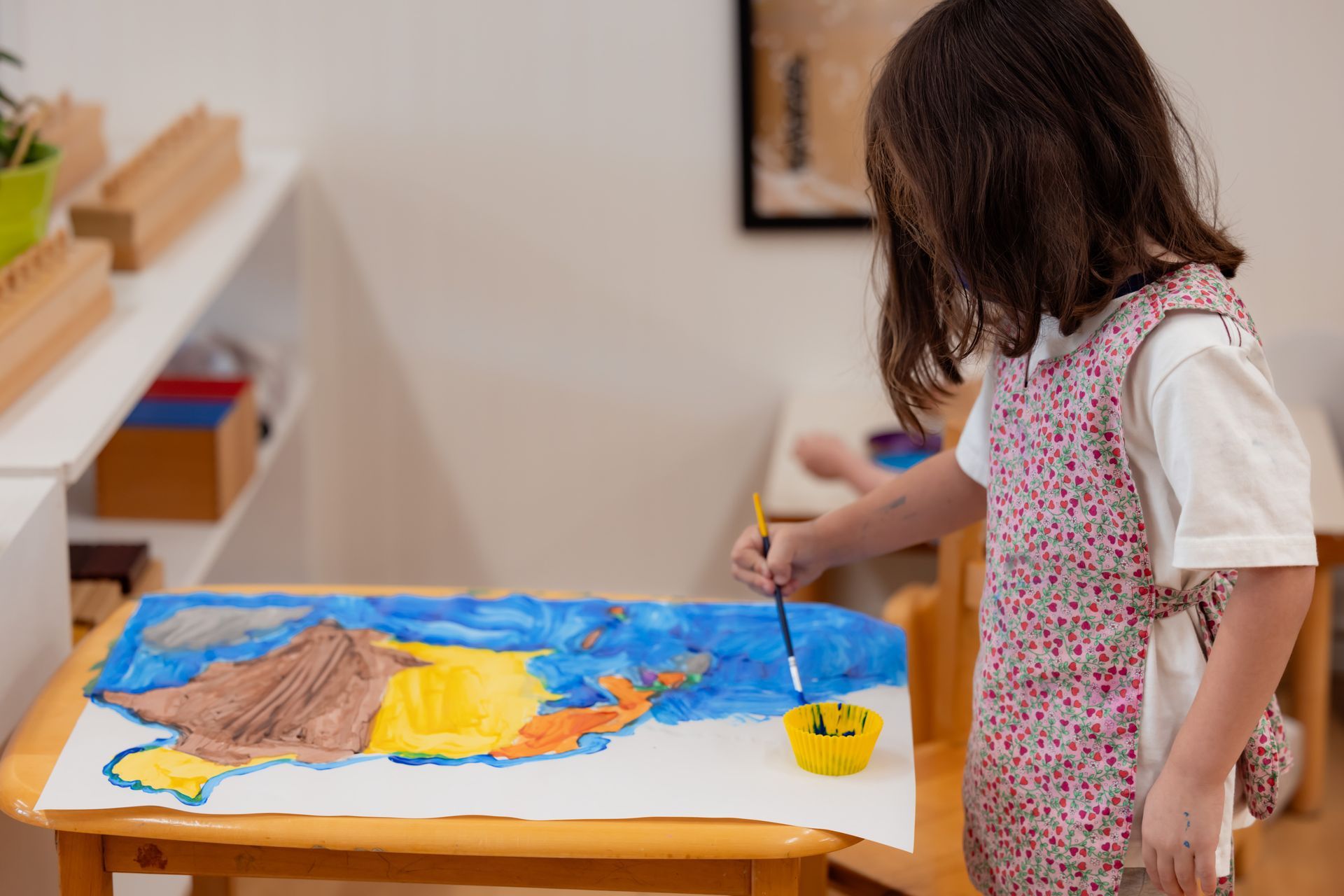
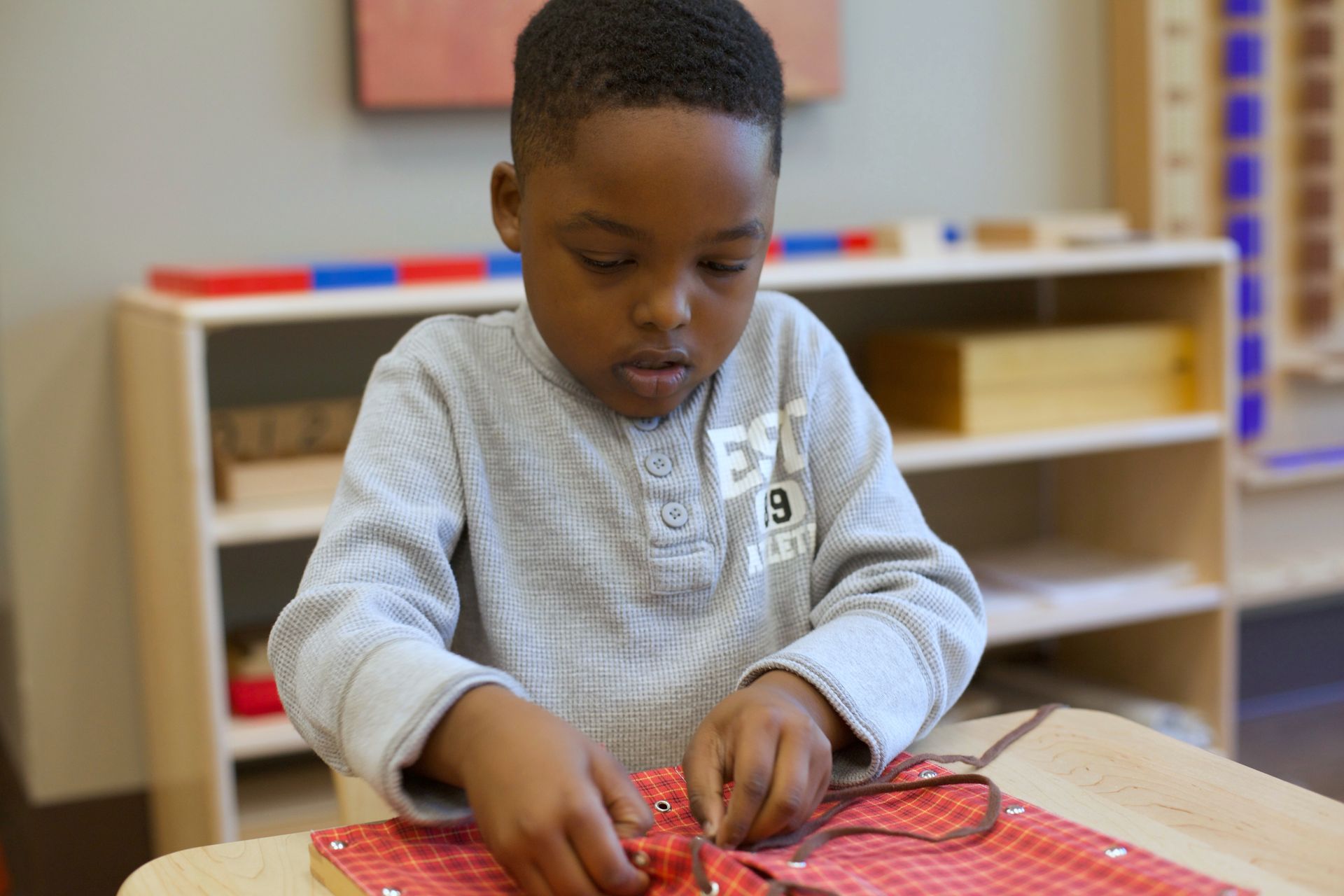
In our daily lives, we undertake numerous tasks to care for our homes, loved ones, and ourselves. As adults, we often move through these routines on autopilot: washing dishes, setting the table, or tidying up a room. But for young children, these exact moments hold immense fascination. Children yearn to participate in real, meaningful matters and delight in working alongside the adults they adore.
In the Montessori approach, we call these purposeful tasks Practical Life activities. Whether a child is putting on their own boots, wiping a spilled drink, or watering a classroom fern, these experiences anchor them to their surroundings while nurturing internal motivation, intellect, and physical coordination.
Two Purposes: One External, One Internal
Every Practical Life activity in our Chesterbrook environments serves a dual purpose:
- The External Goal: When a child scrubs a table, the table becomes clean. The task has an observable, functional outcome.
- The Internal Goal: Far more profound is what happens inside the child. They build deep concentration, refined fine and gross motor control, personal pride, and a true sense of belonging.
When we invite children to contribute to real work, they see themselves as valued, capable members of our school community. Learning to care for their own needs—dressing, washing hands, preparing a snack—builds a foundation of competence. Over time, these small daily victories prepare children to navigate the wider world with resilience, self-reliance, and initiative.
Preparing the Environment for Child-Led Success
In our Primary and Toddler environments at Chesterbrook, Practical Life materials are intentionally designed and beautifully presented to foster natural independence:
- Child-Scale Design: Sinks, counters, and shelves are proportioned directly to the child’s body height.
- Proportional Limits: Soap dispensers release just enough soap for one wash; small pitchers hold just enough water for one plant.
- Order and Completeness: Every tray, sponge, and brush has a designated place. Children learn not only how to complete a task, but how to restore the environment for the next friend.
This thoughtful preparation allows children to master tasks that adults typically do for them. Even with our youngest learners, independence begins through collaboration. A guide might say, "I am going to help put on your sweater. Let's slide your left arm through the sleeve together." As children grow, gentle encouragement like "Let's do this together" honors their capabilities while offering supportive scaffolding when needed.
Real Work with Real Impact
In addition to self-care, children at Chesterbrook take deep pride in caring for their classroom environment. From sweeping fallen leaves off the porch to polishing brass objects, every task is authentic:
- Meaningful Contribution: If a plant is dry, the child waters it. If a placemat is soiled, the child washes it. These are not pretend toys or artificial play setups—they are real tasks with visible outcomes, and children instinctively recognize the difference.
- Process over Product: Adults usually focus on completing a task quickly. Young children, however, focus on the process. A child may happily scrub a single tabletop for twenty minutes, driven by an internal need for repetition and mastery.
Bringing Practical Life into Your Home
Parents frequently ask how to extend Practical Life into daily home routines. Supporting this work at home does not require specialized equipment—only simple, accessible adjustments and a little extra time.
Simple Home Setup Ideas:
- Place a low laundry basket in their bedroom for dirty clothes.
- Set up an accessible drawer with placemats, napkins, and utensils so your child can set the family dinner table.
- Store low-shelf baskets for toys so items can be independently retrieved and returned.
Guiding Questions for Home Activities:
- Is the tool child-sized and safe to handle?
- Is the activity logical, order-based, and complete?
- Does it allow the child to complete the task independently from start to finish?
- Is the work real and necessary to our household?
Come see Practical Life in action here at Chesterbrook: schedule a tour today!