When we pick up our children from school at the end of the day, it is so tempting to ask, "How was your day?" More often than not, the response is pretty lackluster—a quick "good," "fine," or a quiet shrug.
As adults, we can easily relate. When a partner or friend asks about our day the moment we step through the door, we don't always feel like rehashing every detail! We need a moment to decompress.
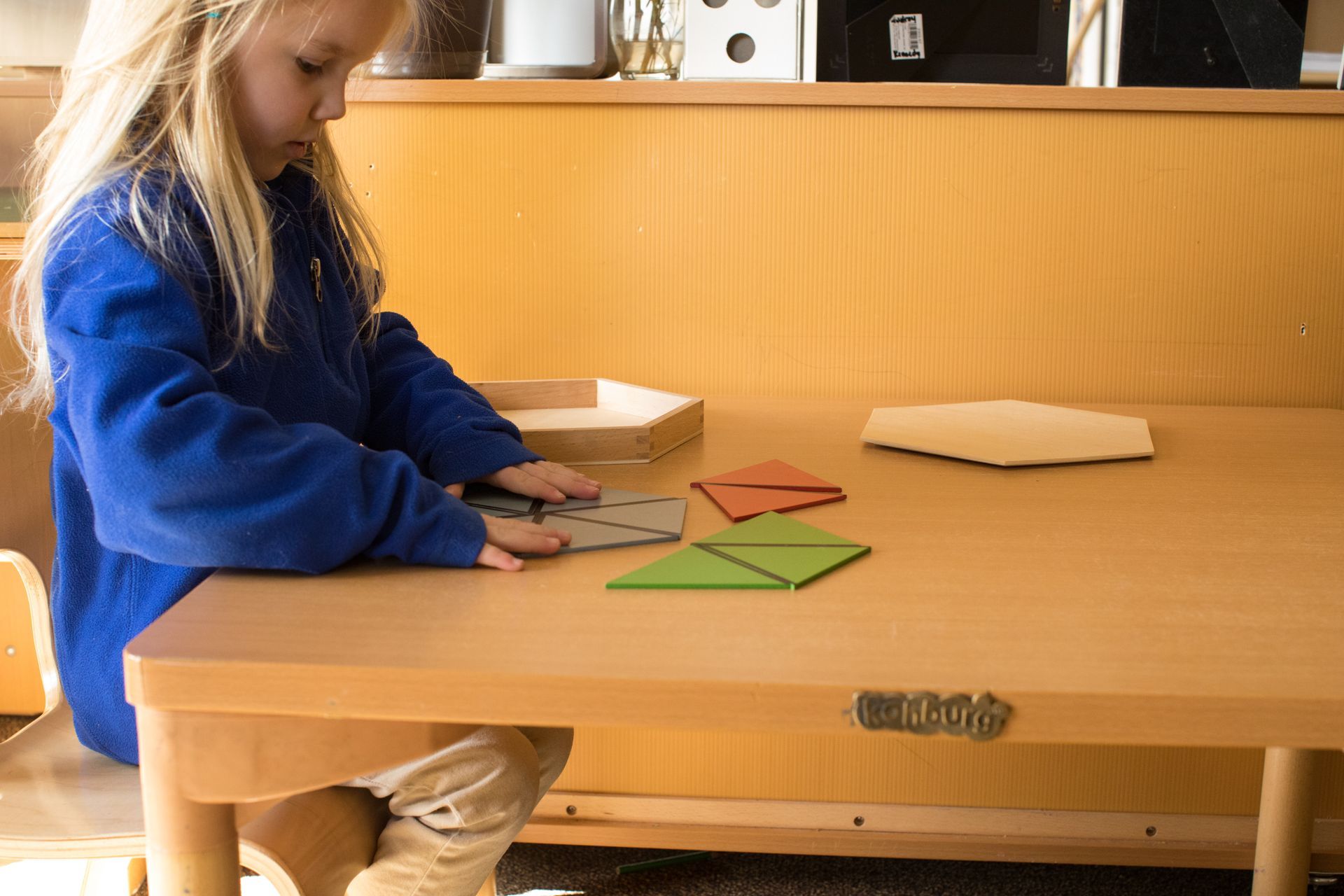
For children, there is an added layer: they don't always have the immediate language to describe their experiences. In a Montessori environment, this is especially true. How does a Primary child explain the deeply focused, multi-sensory experience of carrying the Pink Tower piece-by-piece to a rug to construct a decimal-based series of cubes? How does an Elementary student convey the emerging social nuances of a community lunch, or their wonder at discovering that ten 10-bars create a hundred square?
For older children navigating social dynamics, relationships can feel very two-dimensional—interactions are often processed simply as "nice" or "mean," making a full summary of their day feel overwhelming.
Focus on Connection First, Conversation Second
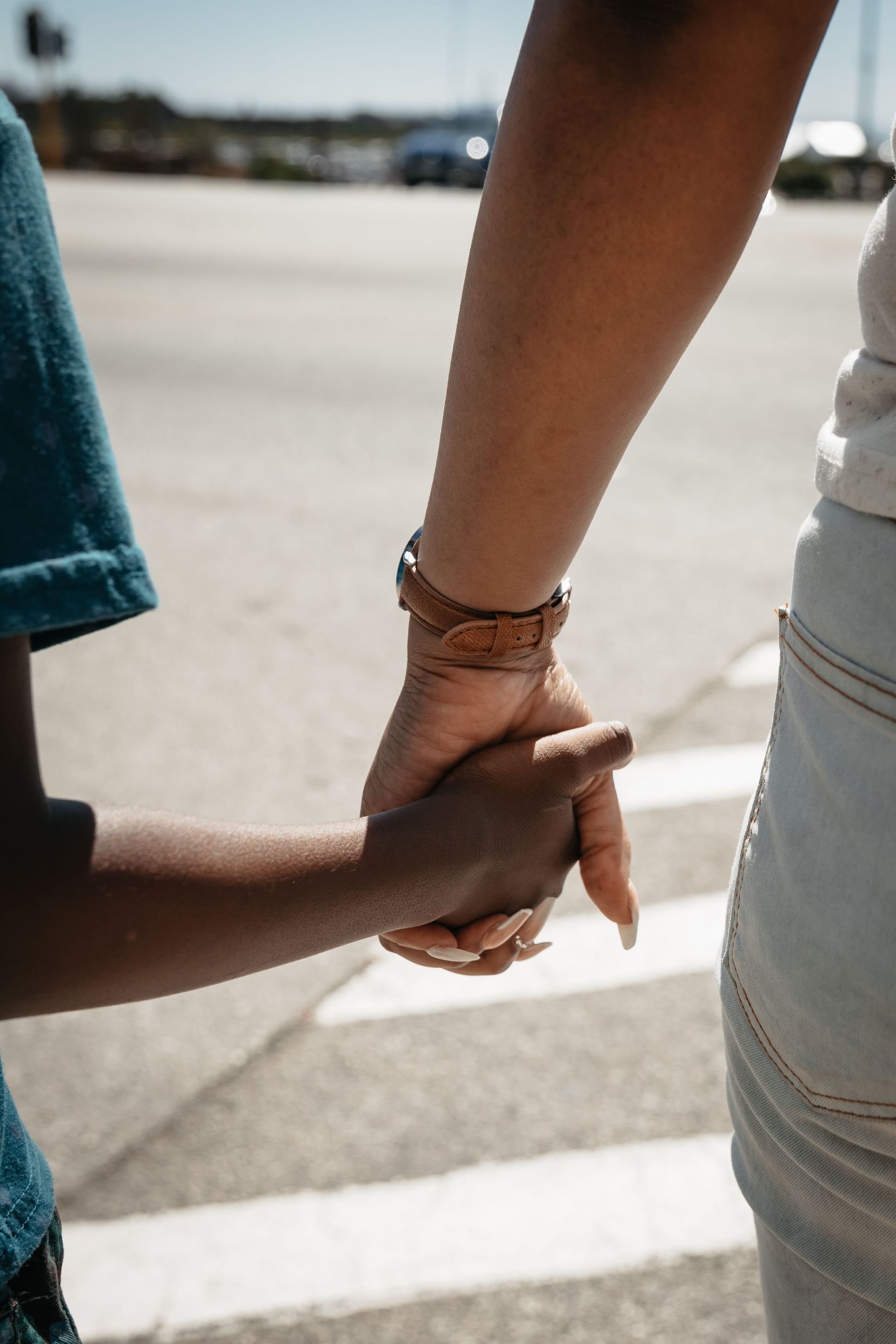
When we greet our children at dismissal, the most impactful thing we can do is offer unconditional connection.
After a full day of concentration, movement, and social navigation in the prepared environment, children are transitioning back into our care. They may be tired, hungry, or simply in need of an emotional safe zone to unwind.
- Allow loving space: Greet your child with warmth that conveys, "I am so happy to see you," rather than immediate curiosity.
- Pause the questions: Save the debrief for later. The car ride home or the walk from the classroom is often a time for quiet transition, a water break, or a healthy snack.
- Be fully present: When you do begin a conversation later, show your child you are listening by putting away devices, making eye contact, and offering relaxed body language.
40 Open-Ended Conversation Starters
Once your child has had a chance to rest and refuel—whether over a afternoon snack, during a neighborhood walk, or right before bedtime—try shifting from information-gathering to open-ended storytelling.
Here are 40 of our favorite conversation starters, organized to help spark meaningful dialogue:
Simple Starters for Younger Children (Primary)
- What made you feel happy today?
- Who did you sit with at snack or lunch today?
- What made you feel a little sad or frustrated today?
- What was your favorite work or activity today?
- Who did you play with outside today? What did you build or play together?
Deepening the Dialogue (Lower & Upper Elementary)
- What games were most popular at recess today? Is that something you enjoyed playing?
- Did everyone have someone to play with at outdoor time today?
- What was your favorite thing inside your lunch box today?
- What did you notice today that you think other people might have missed?
- What is something you did today that you would love to do every single day?
- How did someone show you kindness today? How did you show kindness to a friend?
- What made you feel worried or unsure today?
- What made your guide smile today?
- What were you grateful for today?
- If a classmate could be the guide for one day, who would you pick and why?
- What is your classroom's most important ground rule?
- Who is someone you haven't worked with yet, but would like to get to know better?
- What is something new you learned about a friend today?
- What did you do today that felt helpful to your classroom community?
- When did you feel most proud of yourself today?
- What rule or boundary was the hardest to follow today?
- Who in your classroom has a personality that is completely different from yours?
- Who was especially friendly today? What did they do?
- What did you do today that allowed you to be creative?
- Did your guide read to the class today? What was the story about?
- What was the high point of your day? What was the low point?
- Was anyone in your class absent today? Did you miss their presence in the room?
- What was something you heard today that surprised you?
- What was something that challenged your brain today?
- What is a skill or lesson you felt really confident about today?
- Did you give or receive any genuine compliments today?
- How were you brave today?
- If you could change one moment from today, what would it be?
- How was today different from yesterday?
- What superpower would have come in handy during your work cycle today?
- What are you looking forward to doing in the classroom tomorrow?
- Who brought something interesting in their lunch today?
- What made you laugh out loud today?
- What was the quietest moment of your day?
- What is one question you still have about something you worked on today?
Model the Conversation
A wonderful way to encourage your child to open up is to share reflections from your own day first. This provides a natural scaffold for how to structure thoughts:
"At lunch today, I sat with a coworker I don't usually talk to, and we realized we both love hiking. It made my afternoon so bright."
"When I was around your age, my favorite part of the day was working on art projects. I remember feeling so proud when I learned how to mix primary colors."
By sharing our own experiences, we show our children that conversation is a two-way street built on mutual trust and vulnerability.
Partnering with Chesterbrook
We invite you to try a few of these questions this week! Notice how the shift from "What did you do?" to "How did you feel?" opens up new windows into your child’s inner world.
If you have a favorite conversation starter at home that isn't on our list, share it with your child's classroom guide—we love hearing how our families build connection beyond our classroom doors!