What is biology? At its root, the word comes from the Greek bios, meaning "life," and logos, meaning "reason" or "study." In short, biology is the study of life.
In our Montessori elementary classrooms at Chesterbrook, however, biology is so much more than a science subject. It is a gateway to wonder, connection, and understanding our place in the larger story of life on Earth.
A Living Subject in a Living Curriculum
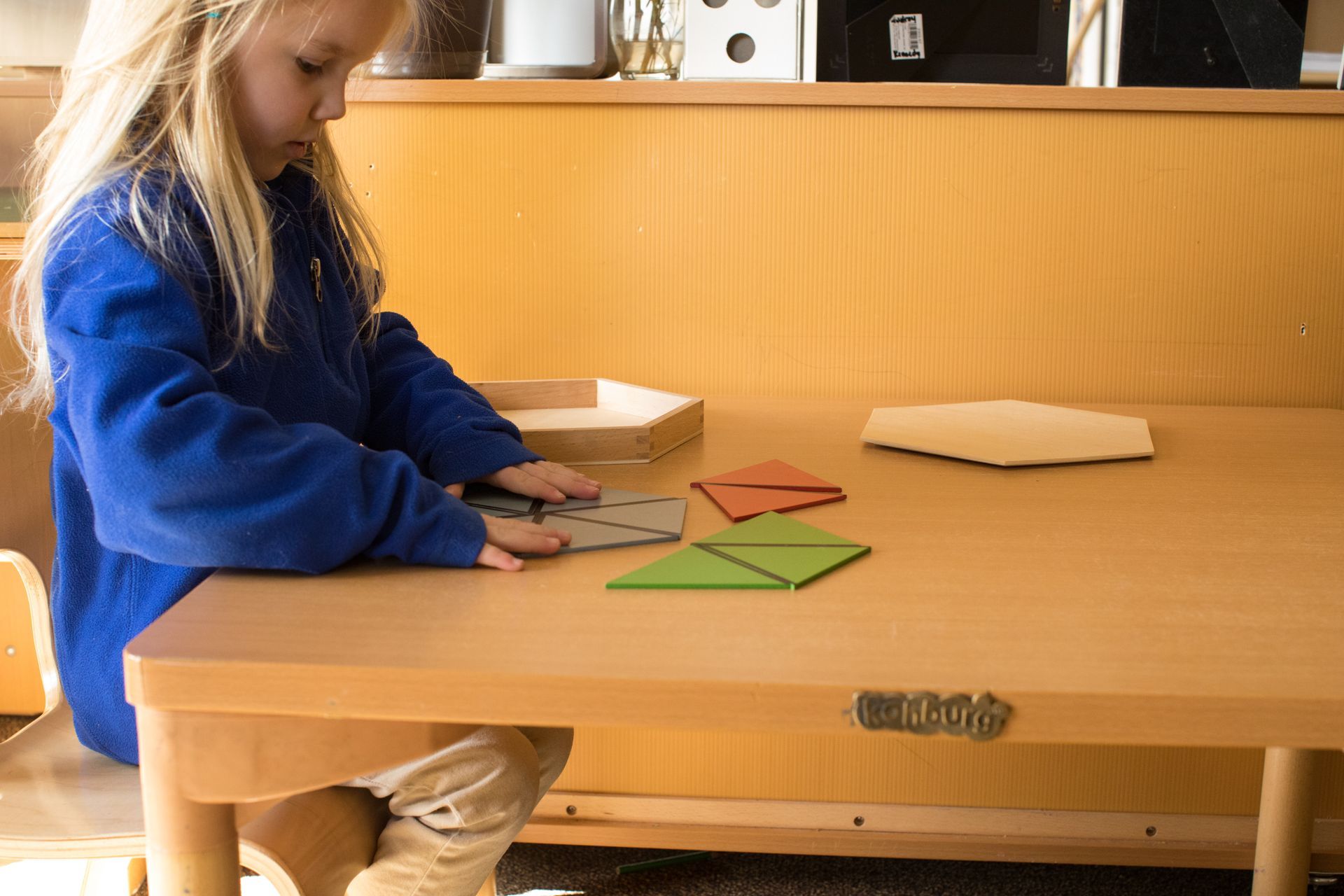
Dr. Maria Montessori saw biology as an essential pillar of Cosmic Education—a curriculum uniquely designed for children in the second plane of development (ages 6 to 12). At this age, children are eager to understand how everything in the universe is interconnected.
Through this lens, biology is not about memorizing isolated facts for a test. It is about discovering how plants, animals, water, minerals, and air work together in a grand, natural collaboration. Children learn that every living species has a "cosmic task"—a unique role to play in sustaining life on Earth.
- Plants, for example, draw minerals and water from the soil while simultaneously protecting that soil from erosion and purifying the air we breathe.
- Animals depend on plants for nourishment and, in return, help pollinate, fertilize, and scatter seeds.
Each element takes what it needs and gives something back. In our classrooms, children explore these concepts deeply, building not just scientific literacy, but a profound moral and ecological awareness.
Real Experiences Over Textbooks
Elementary-age children are naturally imaginative, intensely curious, and rapidly developing a strong moral compass. They want to know how things work and why they matter. That is why biology at Chesterbrook isn’t taught out of a textbook—it is brought to life through real, hands-on experiences.
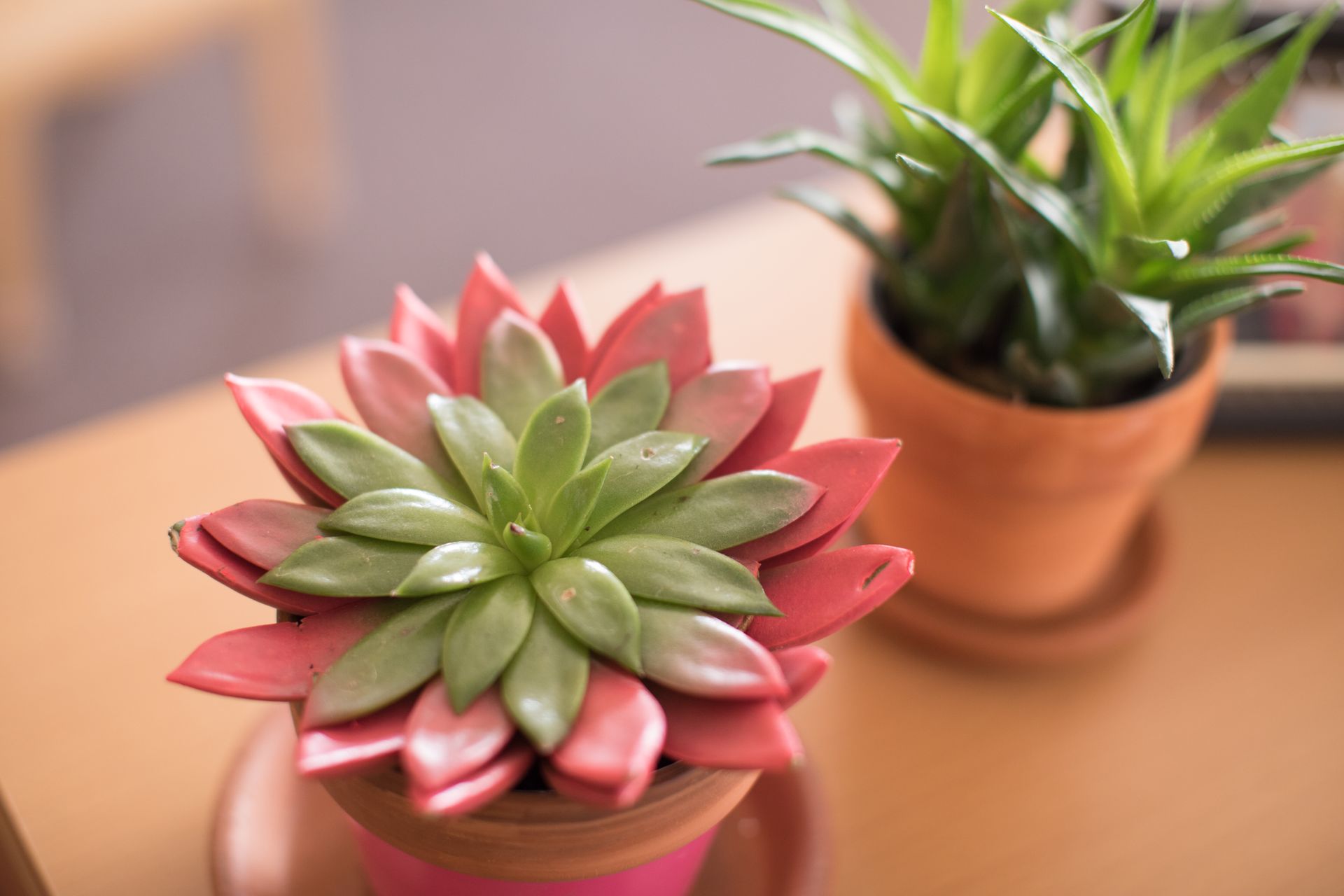
Whenever possible, our guides introduce biology lessons with real specimens. A single seed, a fallen leaf, or a potted plant offers far more opportunity for wonder and discovery than a photograph ever could. Children are invited to observe carefully, touch gently, ask big questions, and form their own hypotheses.
Whether they are examining the delicate parts of a flower under a magnifying glass, testing how leaves respond to sunlight, or tracing how water travels up a stem, hands-on exploration always comes first. From there, children naturally branch out into functional anatomy, classification systems, and the fascinating stories of adaptation and evolution.
Cultivating Care and Morality
Because elementary children care deeply about fairness and ethics, we approach the study of living things with immense respect. We teach children to handle nature thoughtfully—we don’t harvest living plants carelessly or treat living creatures as temporary props for experimentation.
Instead, we welcome rich classroom discussions:
- Is it respectful to dissect a living flower, or should we wait for one that has fallen?
- What happens to local pollinators when pesticides are used in gardens?
- How do our daily choices impact the wildlife around our school and homes?
These reflections help children develop genuine empathy, a sense of stewardship, and a lasting reverence for life.
The Dual Environment: Indoors and Outdoors
One of the most beautiful aspects of a Chesterbrook education is that learning seamlessly flows between two environments: the prepared classroom and the natural world outside its doors.
A child might study the nomenclature of a leaf at a classroom table, then step outside to find those exact leaf shapes in our outdoor spaces. They might observe birds at our outdoor feeders, then return indoors to research avian classification and migration routes.
Dr. Montessori observed firsthand how deeply children connect with nature when given the freedom to explore fields, forests, and garden paths. Biology isn't confined to a lab—it happens wherever life is present, from our outdoor gardens to a tiny patch of moss growing in a sidewalk seam.
How Families Can Nurture a Love of Biology at Home
As parents and caregivers, you are your child’s primary guide to the natural world. You don’t need a science degree to nurture a lifelong love for the living world! Here are a few simple ways to encourage scientific curiosity at home:
- Get outside together. Simple neighborhood walks, park visits, or time spent in the backyard offer endless opportunities for quiet observation and wonder.
- Encourage small collections. Children love gathering nature’s treasures—leaves, interesting rocks, seed pods, or feathers. Use these collections to spark questions and casual research together.
- Model curious wonder. If your child asks why leaves change color or where worms go when it rains, it’s completely okay not to know! Try saying, "That’s a great question. I wonder that too—let’s look into it together."
- Keep a family nature journal. Invite your child to sketch, label, or write about interesting plants or insects you encounter.
- Share your own passions. If you enjoy gardening, hiking, birdwatching, or cooking with fresh herbs, invite your child into those experiences. Your genuine enthusiasm is contagious.
From Biology to Stewardship
As children deepen their biological studies, they naturally arrive at ecology—the understanding of how all living and nonliving things depend on one another. This culmination reinforces a vital lesson: we are all part of something larger, intricate, and beautiful.
At Chesterbrook Montessori School, biology is ultimately about more than science. It is about learning to live attentively, respectfully, and joyfully in the world we share.
Interested in seeing Cosmic Education in action?
We invite current and prospective families to connect with us, tour our prepared environments, and observe how our students cultivate a deep love for learning and the natural world.
Schedule a tour today!