We give so much of our heart and energy into giving our children the best possible foundation. When they are young, we search for open-ended, natural toys, look into parent-infant classes, and prepare nourishing meals. As they grow older, we might explore enrichment activities, seek specialized guidance, or invest in tutoring.
But what if one of the most transformative gifts we can offer our children is entirely free, lives right within our homes, and builds a foundation for a lifetime of well-being?
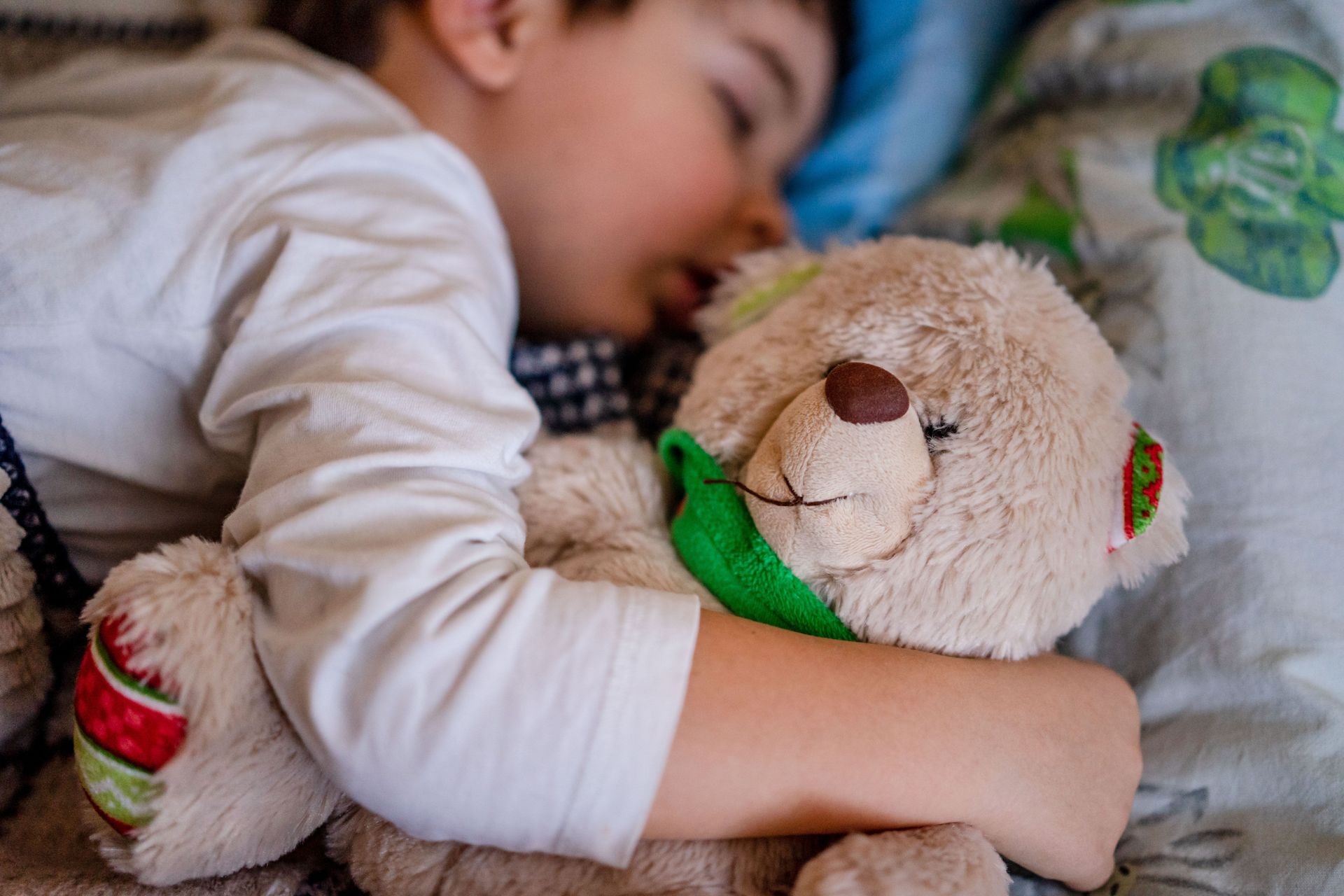
Modern research continues to confirm what Montessori educators observe daily: sleep is not merely a break from the day, but an active, vital process of human development. Sleep fuels every dimension of a child's life. It consolidates learning and memory, fosters logical thinking, builds emotional resilience, and unlocks creativity and imagination. Physically, a restful night strengthens the immune system and supports healthy brain growth.
Yet, many children are simply not getting the rest their growing bodies and minds require.
A poll by the National Sleep Foundation (NSF) revealed that the majority of school-aged children receive less than the recommended amount of sleep—even though over 70% of parents believe their children are fully rested. Additionally, the American Academy of Pediatrics (AAP) reports that 25% of children under age five experience inadequate sleep.
Viewing the Whole Child Through a Montessori Lens
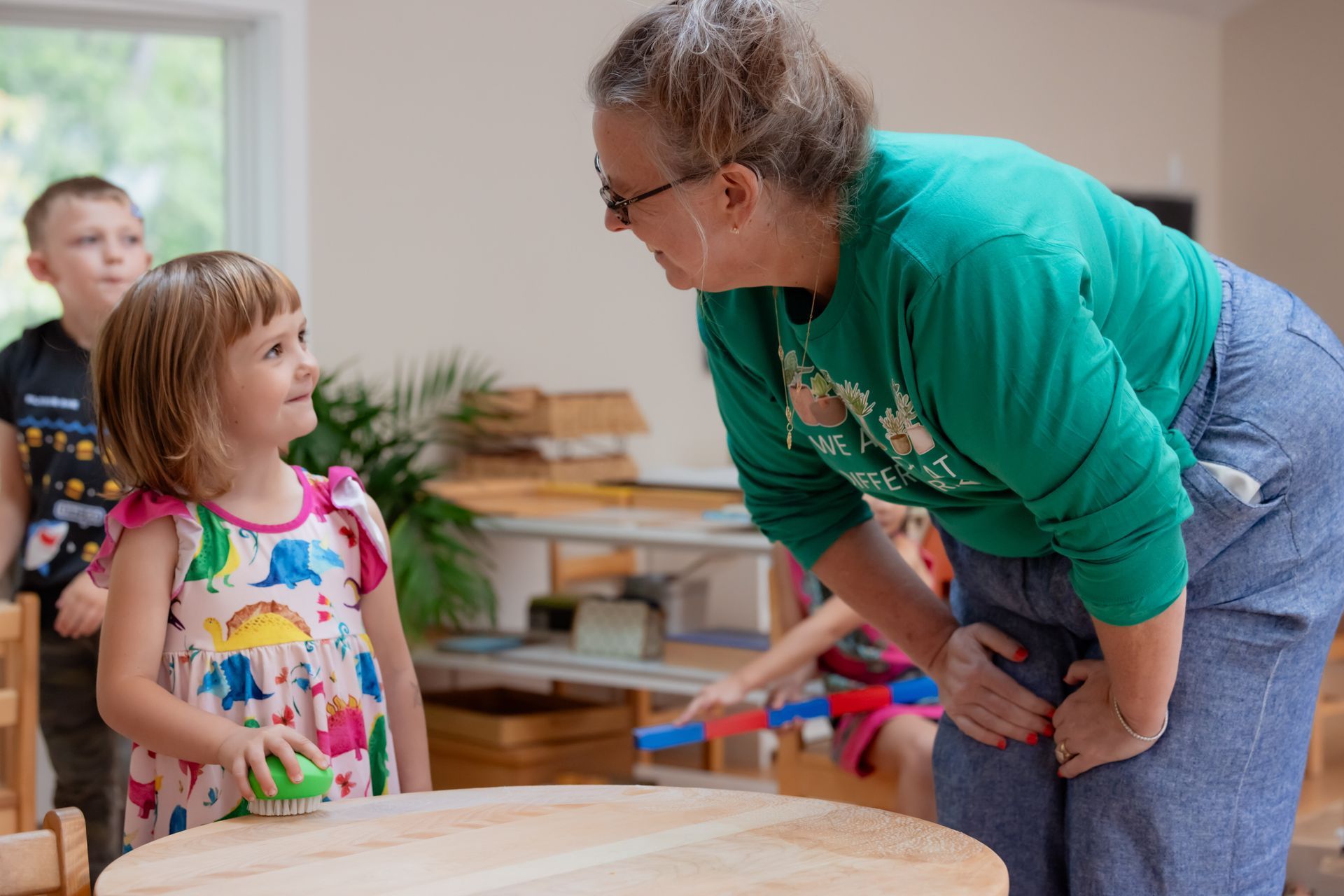
In our classrooms at Chesterbrook Montessori School, we look at the child holistically. We prepare environments tailored to meet the developmental needs, characteristics, and sensitive periods of each age group. We observe how children interact with their work, their peers, and their surroundings.
Because we view families as our primary partners, supporting your child’s optimal development means looking closely at how rest influences their day in the classroom and at home.
1. Cognitive Growth and Memory Formation
In Why We Sleep: Unlocking the Power of Sleep and Dreams, sleep researcher Matthew Walker, Ph.D., notes that “a tired, under-slept brain is little more than a leaky memory sieve, in no state to receive, absorb, or efficiently retain an education.”
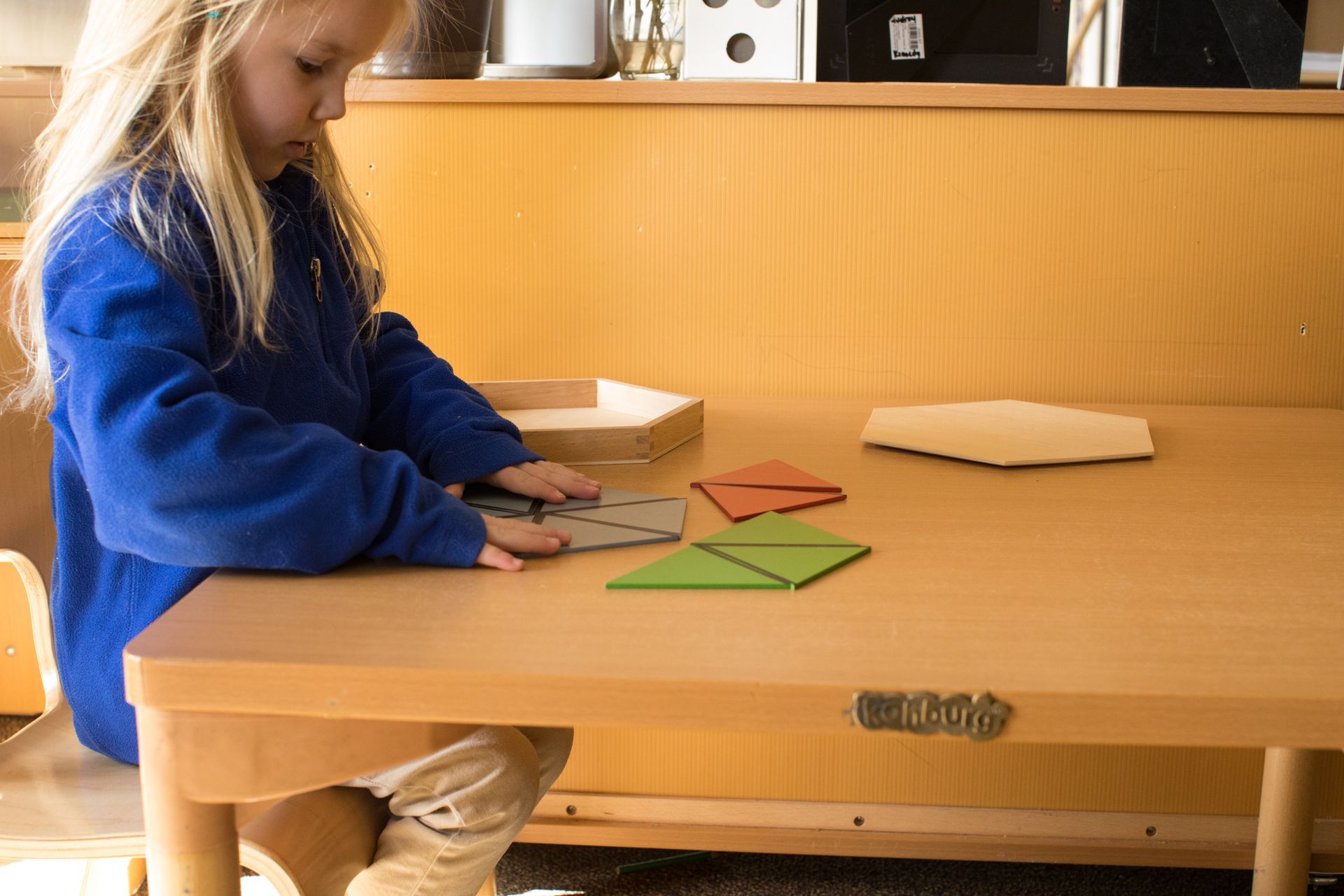
When a child engages deeply with a Montessori material, their brain is absorbing new physical and conceptual steps. Sleep acts as the integrator—converting those daytime discoveries into long-term understanding and refined motor skills. Giving a child space to "sleep on it" allows their internal learning process to continue effortlessly overnight.
2. Emotional Calibration and Self-Regulation
We all recognize the tired, fragile moments after a poor night’s rest. Neurologically, sleep deprivation shifts the brain into a reactive, primitive state. The prefrontal cortex—the center for rational thought, empathy, and executive function—takes a back seat.
Without sufficient sleep, it becomes difficult for a child to navigate social dynamics, share, process frustration, or self-regulate. What may look like behavioral challenges, aggression, or social friction is often simply an exhausted nervous system asking for rest.
3. Recognizing the Signs of Sleep Deficiency
Sleep deficiency in children often looks different than it does in adults. Instead of overt sleepiness, a tired child may exhibit hyper-reactivity, distractibility, difficulty concentrating, mood shifts, or anxiety. Because these signs can mirror symptoms of attentional challenges like ADHD, it is invaluable to pause and assess sleep routines first.
When a child experiences persistent social, emotional, or academic friction, we encourage taking a step back to ask: Is their sleep environment supporting their deep rest?
Partnering with Families
Just as we prepare a peaceful, orderly classroom environment to help children focus and thrive, preparing a calm, predictable home routine around sleep sets children up for joy and independence during the day.
We care deeply about your child’s holistic growth, and we are always here to collaborate with you on practical ways to align home and school routines.
Resources for Further Reading
- Sleep Guidelines by Age: Visit the National Sleep Foundation for detailed sleep duration recommendations across infancy, childhood, and adolescence.
- Healthy Sleep Hygiene: Explore child-centered sleep habits and routine tips on the Sleep Foundation Website.
- The Science of Rest: Read Why We Sleep: Unlocking the Power of Sleep and Dreams by Matthew Walker, Ph.D.
Interested in seeing how our peaceful classroom environments foster deep learning and self-regulation?
Schedule a tour of Chesterbrook Montessori School today.