At Chesterbrook Montessori School, practical life lessons form the foundation of early childhood development. In our Primary classrooms, we put a intentional emphasis on helping young children master everyday self-care skills—from putting on their own coats to washing their hands.
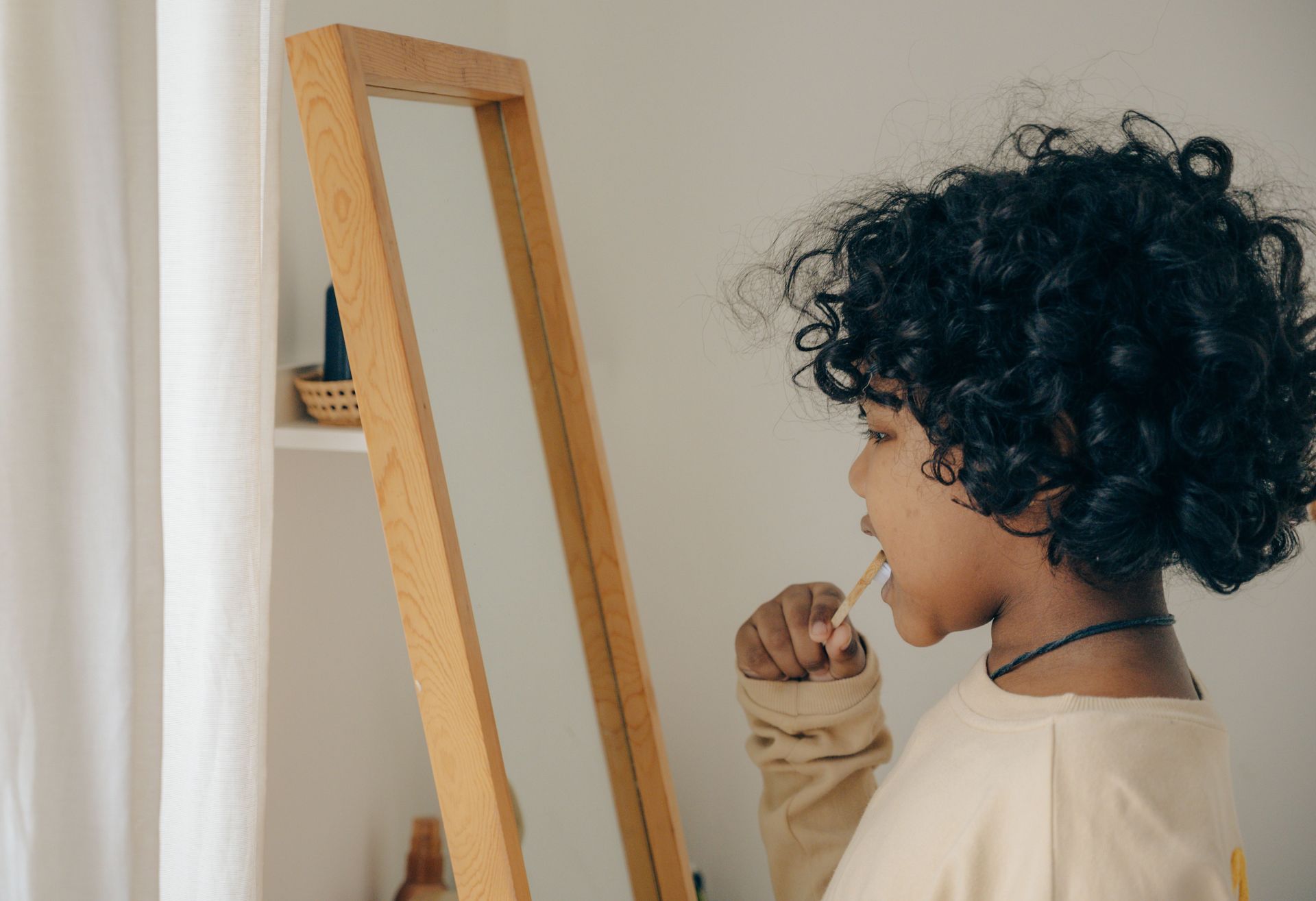
Few self-care routines are as universal as toothbrushing! Teaching a child to brush their teeth presents a unique and rewarding balance: we want to nurture their growing sense of personal independence while ensuring their teeth stay healthy, clean, and cavity-free.
When we teach toothbrushing Montessori-style, we aren't just instilling lifelong oral hygiene habits—we are building a child's confidence and self-efficacy. By partnering thoughtfully in this daily rhythm, we help children transition from reliance on adults to genuine capability.
The Art of the Montessori Demonstration
As adults, we move through our morning and evening routines on autopilot, relying on years of muscle memory. Young children, however, process self-care sequentially. To support them, we must slow down, isolate each movement, and demonstrate with intention.
In Montessori education, we also highlight "points of interest." These are deliberate pauses, gentle exaggerations, or visual benchmarks that naturally capture a child's attention and help them remember key steps—like the soft tap-tap-tap of a toothbrush against the sink rim to shake off extra water.
Like all practical life activities, toothbrushing is most meaningful when embedded in a real-world context: after meals and snacks!
Step-by-Step: The Classroom Setup & Technique
In our prepared environment, we introduce toothbrushing at a child-sized sink station after meal times. Here is how we break down the sequence to foster success:
1. Preparation & Setup
- Selecting Materials: We use child-sized travel toothbrushes labeled with the child's photo or name.
- Portioning Toothpaste: To help young hands manage toothpaste without squeezing an entire tube, we prepare small, individual portions in small containers (such as reusable contact lens cases).
- Rinsing Water: We set up a small pitcher and a small stainless-steel cup reserved specifically for rinsing, pouring just enough water to fill the cup 1/4 full.
2. Isolating the Steps
We model each step slowly, inviting the child to repeat the action:
1. Open & Close Containers: We show how to open the toothpaste container, wipe the bristles across the paste, and close the container before brushing begins.
2. Brush Methodically: With a wide, open mouth, we show clear, deliberate strokes:
- Top teeth: Downward strokes on the outside, tops, and backs.
- Bottom teeth: Upward strokes on the outside, tops, and backs.
- Tongue: A light, final sweep.
3. Rinse & Restore: We model spitting excess toothpaste into the sink, swishing with a small sip of water, rinsing the toothbrush under running water, tapping the brush against the sink, and drying our mouth with a small cloth.
Bridging School and Home: Practical Tips for Families
While children practice toothbrushing independently at school, home routines naturally require a balance of child practice and adult supervision. Here are a few ways to structure this routine at home:
- The "Two-Turn" Approach: Establish a clear boundary that toothbrushing is a shared job. Allow your child to take the first turn to practice their dexterity and sequence. Afterward, kindly let them know it is your turn to help do a final check. You can do this by placing your hand gently over theirs or taking a quick second turn.
- Keep It Real & Contextual: Connect brushing directly to eating: "We just finished breakfast, so let's go clean our teeth so they feel fresh!"
- Focus on Capability: Avoid taking over the brush immediately out of rush or convenience. Just as we wouldn't color a picture for a child who is learning to draw, we want to give them space to practice their manual dexterity.
Partnering for Patient Growth
Building independence takes time, patience, and repetition. By breaking complex daily routines into manageable, respectful steps, we show our children that we trust their capabilities—setting them up for a lifetime of healthy habits and self-reliance.
If you have questions about supporting practical life skills in your home environment, please don't hesitate to reach out to your child's classroom guide!